Stacked Books: A Designer’s Review for Branded Merch
As an embroidery designer who has spent years digitizing and testing files for commercial use, I approach every new machine embroidery design with a critical eye. It is not just about whether a motif looks cute on a screen; it is about how it performs on fabric, how it holds up in the wash, and most importantly, how it serves a business owner’s brand. Recently, I evaluated Stacked Books, a charming piece from the School category, to determine its viability for small business merchandise and branded patch applications. This review is tailored for apparel decorators, Etsy sellers, and craft entrepreneurs looking to elevate their product lines with high-quality embroidery.
First Impressions: Whimsy Meets Professionalism
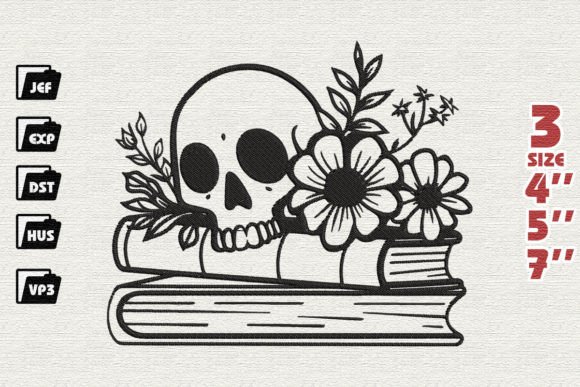
The initial visual impact of Stacked Books is undeniably friendly. The description promises a "fun and whimsical touch," and the design delivers on that front without sacrificing clarity. For businesses in the education sector, such as tutoring centers, bookstores, or creative studios, this aesthetic strikes a balance between playful and professional. It does not feel childish in a way that would alienate adult customers; rather, it evokes a sense of nostalgia and intellectual charm.
From a design perspective, the stacking element provides a natural verticality that works well for narrow spaces, such as sleeve accents or the side of a tote bag. The lines appear clean, suggesting that the digitizer paid attention to stitch direction, which is crucial for preventing puckering on lighter fabrics. However, "whimsical" can sometimes mean complex curves, so my immediate concern was how these details would translate to smaller scales, a common requirement for embroidered patch production.
Real-World Applications for Small Business Merch
When considering small business merch, versatility is key. Stacked Books offers several strong use cases for brands wanting to establish a cohesive brand identity. Here is how I envision this design performing in real commercial scenarios:
- Branded Patches: This is perhaps the strongest application. A woven or embroidered patch featuring stacked books can be sewn onto canvas totes, denim jackets, or laptop sleeves. It acts as a movable logo, allowing customers to customize their own gear while promoting your brand.
- Staff Uniforms and Aprons: For cafes with a literary theme or boutique bookshops, placing this design on the chest pocket of an apron embroidery project adds a personalized touch. It signals attention to detail and enhances the perceived value of the service provided.
- Tote Bag Design: Canvas bags are a staple for handmade brands. The vertical nature of the stack complements the handle placement, creating a balanced look that is both functional and decorative.
- Cap Embroidery: While possible, this requires careful sizing. A simplified version or a smaller scale of the design could work on the side panel of a cap, offering a subtle nod to the brand’s theme without overwhelming the curved surface.
For Etsy sellers and creators of handmade product lines, using this as a consistent visual element across different items helps build recognition. Whether it is on a towel, a t-shirt, or a home decor pillow, the consistency reinforces the brand’s narrative.
Technical Considerations and Stitch Density
While the aesthetic appeal is high, the technical execution determines the longevity of the finished product. As a designer, I always advise checking the stitch density before running a full production batch. Designs with multiple overlapping elements, like stacked items, can become bulky if the density is too high. This is particularly important when working with textured fabrics or items that need frequent washing, such as kitchen towels or staff uniforms.
If you are planning to use Stacked Books on dark uniforms or heavy canvas, consider using a topping stabilizer to prevent the stitches from sinking into the fabric texture. Conversely, for lightweight t-shirts, a cut-away stabilizer is essential to maintain the shape of the design over time. The description mentions it is suitable for t-shirts and towels, which implies a moderate density, but always test on your specific material.
Another critical factor is the hoop size. Ensure that the design fits comfortably within your machine’s hoop without requiring excessive re-hooping, which can lead to alignment issues. For larger applications like back-of-shirt prints, verify that the digital embroidery file provided includes scaled-up versions that maintain stitch integrity, not just enlarged low-resolution images.
Where to Use Caution
Not every surface is ideal for every design. With Stacked Books, there are specific scenarios where you should proceed with caution:
- Tiny Lettering: If the design includes any text within the books or as a tagline, ensure it is legible at the intended size. Small text often merges together after washing, losing its readability.
- Curved Surfaces: Applying this to the front center of a structured cap can be tricky due to the curvature. Distortion may occur if the design is too wide. Side-panel placement is safer.
- High-Contrast Requirements: On dark fabrics, ensure your thread colors provide enough contrast. A low-contrast palette might make the whimsical details disappear, reducing the design’s impact.
Enhancing Brand Identity and Customer Trust
Using a well-digitized design like Stacked Books contributes significantly to brand identity. Customers associate high-quality embroidery with premium products. A sloppy or poorly stitched logo can undermine trust, whereas a crisp, clean design elevates the perceived value of even simple items like tote bags or aprons.
For commercial embroidery projects, consistency is vital. Using the same design assets across your custom apparel line, packaging accents, and promotional gifts creates a unified brand experience. This visual consistency helps in building customer loyalty and recognition. When a customer sees that same stack of books on their purchase receipt, their tote bag, and their coffee mug, it reinforces the brand’s presence in their daily life.
Practical Designer Notes for Production
Before you commit to a large run of merchandise, follow these practical steps to ensure success with Stacked Books:
- Test in Black and White: Sew a sample using only black thread on white fabric. This reveals the true structure of the design and highlights any potential spacing issues without the distraction of color.
- Check Small Patch Viability: Sew the design at the smallest size you intend to use. Verify that the details remain distinct and do not merge into a blob of thread.
- Review Thread Color Contrast: Choose thread colors that align with your brand palette but also offer sufficient contrast against the fabric base.
- Confirm Commercial Licensing: Always verify the license terms included with the digital embroidery file. Ensure you have the right to use the design for physical goods sold to customers.
- Create a Printable Mockup: Before stitching, use a printable mockup to visualize the design on different products. This helps in client approval and marketing materials.
- Inspect Spacing and Stabilizer: Pay close attention to the gap between the stacked elements. Use the appropriate stabilizer to support these areas and prevent shifting during the embroidery process.
In conclusion, Stacked Books is a versatile and charming addition to the School category of embroidery designs. With proper technical handling and strategic placement, it can serve as a powerful tool for small business owners looking to create memorable, high-quality merchandise. By focusing on the details of stitch density, fabric compatibility, and brand consistency, you can transform this whimsical design into a professional asset that drives engagement and sales.