Floating Books Embroidery: A Designer’s Review
As an embroidery designer who spends countless hours digitizing and testing files, I approach every new download with a critical eye. We all know the struggle of finding a machine embroidery design that not only looks good on screen but performs flawlessly under the needle. Recently, I came across Floating Books on Creative Fabrica, and it immediately caught my attention for its whimsical charm. With the back-to-school season always around the corner and a constant demand for literary-themed decor, I decided to evaluate this product not just as a digital asset, but as a viable component for real-world commercial projects.
First Impressions and Visual Appeal
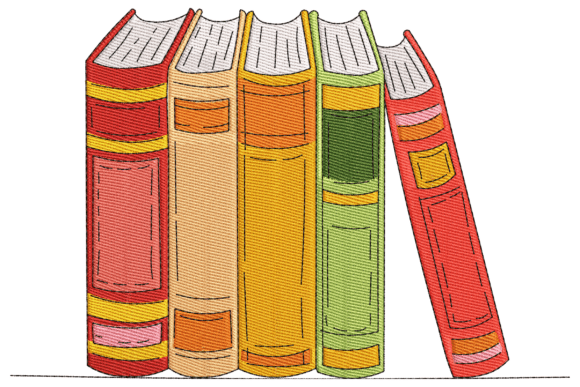
The first thing that strikes you about Floating Books is its lively personality. In a market saturated with generic academic motifs, this design offers a sense of movement and creativity. It fits squarely into the School category but transcends typical classroom clip art by offering a more artistic, decorative appeal. For designers looking to add a unique touch to their portfolio, this piece stands out because it suggests storytelling rather than just labeling.
The visual mood is inviting and playful, making it an excellent candidate for a wide range of textiles. Whether you are aiming for a cozy aesthetic on home decor or a fun vibe on custom apparel, the design’s structure allows for versatility. When I reviewed the preview images, I looked closely at the stitch types implied by the rendering. It appears to utilize a mix of satin stitch for outlines and definitions, paired with fill stitch areas to give the books substance and weight. This combination is crucial for creating a professional-looking finished product that doesn’t look flat or amateurish.
Practical Applications for Commercial Use
For Etsy sellers and small business owners, the versatility of an embroidery file determines its ROI. I mentally projected Floating Books onto several popular items to gauge its potential. Here is how I see this design performing in a real workshop environment:
- Tote Bag Design: This is perhaps the most natural fit. A canvas tote featuring floating books appeals to students, librarians, and book lovers alike. The design’s likely moderate density should hold up well on sturdy cotton canvas without causing excessive puckering.
- Sweatshirt Embroidery: Imagine this stitched on the chest of a crewneck or the sleeve of a hoodie. It creates an instant "book club" aesthetic that is trending heavily in niche apparel markets.
- Kitchen Towels and Aprons: For those who love to read while cooking or hosting, this adds a personalized gift element to standard linens. The whimsical nature fits perfectly in a cottage-core or academic kitchen setting.
- Embroidered Patch: If the file scales down well, it could be stitched on twill for iron-on patches, a huge seller in the handmade community.
When considering commercial embroidery, it is essential to think about the end-user. Who buys this? Teachers, students, parents, and avid readers. By using Floating Books, you are tapping into a passionate community that values both education and creativity. This emotional connection can significantly boost buyer trust and engagement with your brand.
Technical Considerations and Stitching Performance
While the design is visually captivating, any experienced embroiderer knows that beauty means nothing if the stitching fails. Before running this on a customer’s expensive garment, there are several technical factors to consider. Since the specific stitch count and exact hoop size requirements are not detailed in the brief description, I strongly advise checking the product details on the Creative Fabrica page before purchase. However, based on the visual complexity, here are my professional recommendations for best results.
Fabric and Stabilizer Selection
Because this design likely features multiple colors and potential layering, fabric choice is critical. For stretchy fabrics like t-shirts or sweatshirts, using a high-quality cut-away stabilizer is non-negotiable to prevent distortion. If you are stitching on woven fabrics like pillow covers or aprons, a tear-away stabilizer might suffice, but always test on scrap fabric first. The goal is to ensure that the stitch density does not overwhelm the material, causing it to pucker or warp.
Thread Color Contrast
The success of Floating Books relies heavily on color separation. When planning your thread colors, consider the background fabric. On dark fabrics, you may need to use a lighter underlay or adjust the sequence to ensure the books pop. Conversely, on light fabrics, ensure your outline stitches are distinct enough to define the shapes. I recommend creating a printable mockup or doing a digital simulation to check contrast before threading up the machine.
Hoop Size and Placement
Confirm the required hoop size from the file details. If the design is large, ensure your machine can accommodate it. For smaller items like caps or baby blankets, check if the design scales down without losing detail. Tiny lettering or intricate book spines can become a mess of thread if scaled too small. Always inspect small details after stitching a test sample to ensure clarity.
Enhancing Product Value and Brand Consistency
Using high-quality design assets like Floating Books directly impacts your perceived value as a seller. A clean, well-digitized design signals professionalism. When customers see crisp lines and balanced coverage, they are more likely to trust your brand with larger orders. This design can serve as a cornerstone for a cohesive collection. For example, you could pair it with other school-themed or literary motifs to create a bundled offering for back-to-school promotions.
Furthermore, the photogenic nature of this design aids in marketing. A well-stitched floating books motif on a textured towel or a soft baby blanket makes for stunning product photography. Good visuals drive clicks, and unique designs drive sales. By offering something that feels personal and creative, you move away from commodity pricing and toward value-based pricing.
Final Verdict for Embroidery Entrepreneurs
Is Floating Books worth adding to your library? For designers focusing on the School niche, literary gifts, or cozy home decor, the answer is likely yes. It offers a fresh take on a classic theme, providing a lively and creative touch that brings personality to any item. However, success lies in the execution.
Remember to treat every digital embroidery file with due diligence. Verify the license terms on Creative Fabrica to ensure you are compliant for commercial use. Test the design on various fabrics to understand how the applique design or fill areas interact with different textures. Check for jump stitches and trim threads efficiently to maintain a clean back, which is especially important for items like baby blankets that touch sensitive skin.
In conclusion, Floating Books has the potential to be a staple in your seasonal lineup. It bridges the gap between functional custom apparel and decorative home goods. By paying attention to stabilizer choice, thread contrast, and hoop placement, you can transform this digital download into a tangible, high-value product that resonates with your customers. Happy stitching!